The title of this project refers to both Galileo Galilei’s famous statement, “But Still, it Moves”, and an influential paper of the same name by Zoe Kourtzi. Galileo referred to the apparent motion of the Sun around the Earth while Kourtzi refers to our ability to infer motion that is not actually present. Building on these explorations of apparent movement, this project charts the development of a body of research into embodied responses, aka, kinaesthetic empathy in response to photographic still images.
More specifically, it asks how observations of audience and viewer responses to dynamic portraits can inform psychology and neuroscience, and how an understanding of neural function can help focus both visual and kinaesthetic impact.
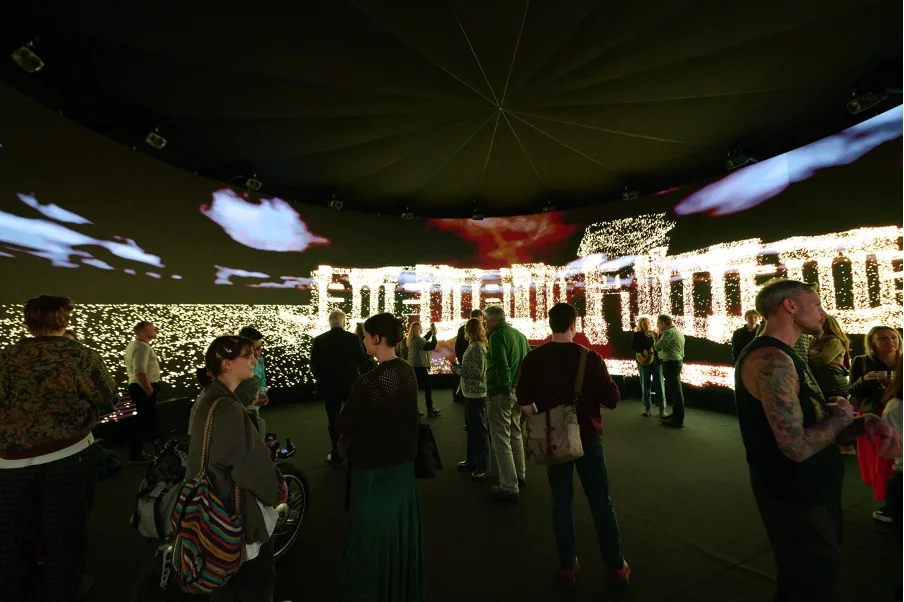
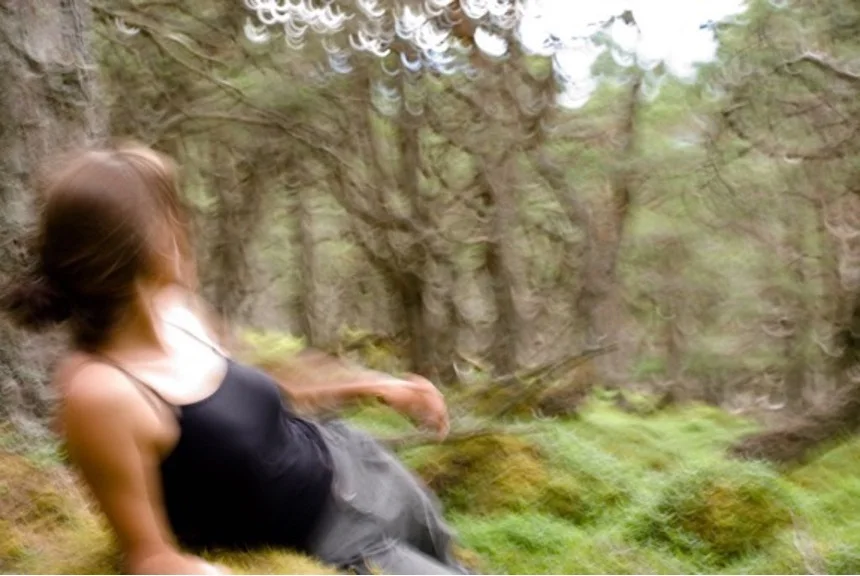
The photographer has worked with a number of dancers to develop a method of partnering with a camera whereby he moves in synchrony with the dancers and takes photographs at slow shutter speeds. The end result is a collection of images which freeze parts of the dancer’s bodies while the background is blurred through movement. It is believed these images are closer to the actual human visual experience of movement than high shutter speed images which freeze motion. This link to the experience of movement has made it difficult to exhibit the photographs. When presented at human scale, the amount of embodied movement triggered by these images has been so strong that exhibitions need to be choreographed in order to create harmonious flow from one image to another. Why?

Numerous studies have focused on relationships between still photographs and implicit motion. Most notably, Jennifer Freyd conducted studies in the early 1980s into the mental representation of motion where she demonstrated that merely viewing still photographs in which motion is implied causes observers to extrapolate forwards in time and create a “representational momentum”. More recently, fMRI studies such as those by Senior, Kourtzi and Kanwisher have looked for the regions of the brain engaged in processing dynamic information from static images with implied motion, and documented the complexity of this processing. Part of the difficulty with understanding how we respond to dynamic images comes from the link between our bodies and the light reaching our retinae. Psychologists most frequently speak of optical flow defined by Gibson as “the optic array surrounding a moving observer” and how we use it to navigate and position ourselves. However, the issue is more complex. The analysis of motion in the optic array is complicated by the fact that our eyes move with respect to our bodies in order to position images on our retinae. This complex motion is superimposed on the optic flow resulting in a retinal motion pattern composed of body and eye movements. Understanding implied motion requires understanding this link between body and image.